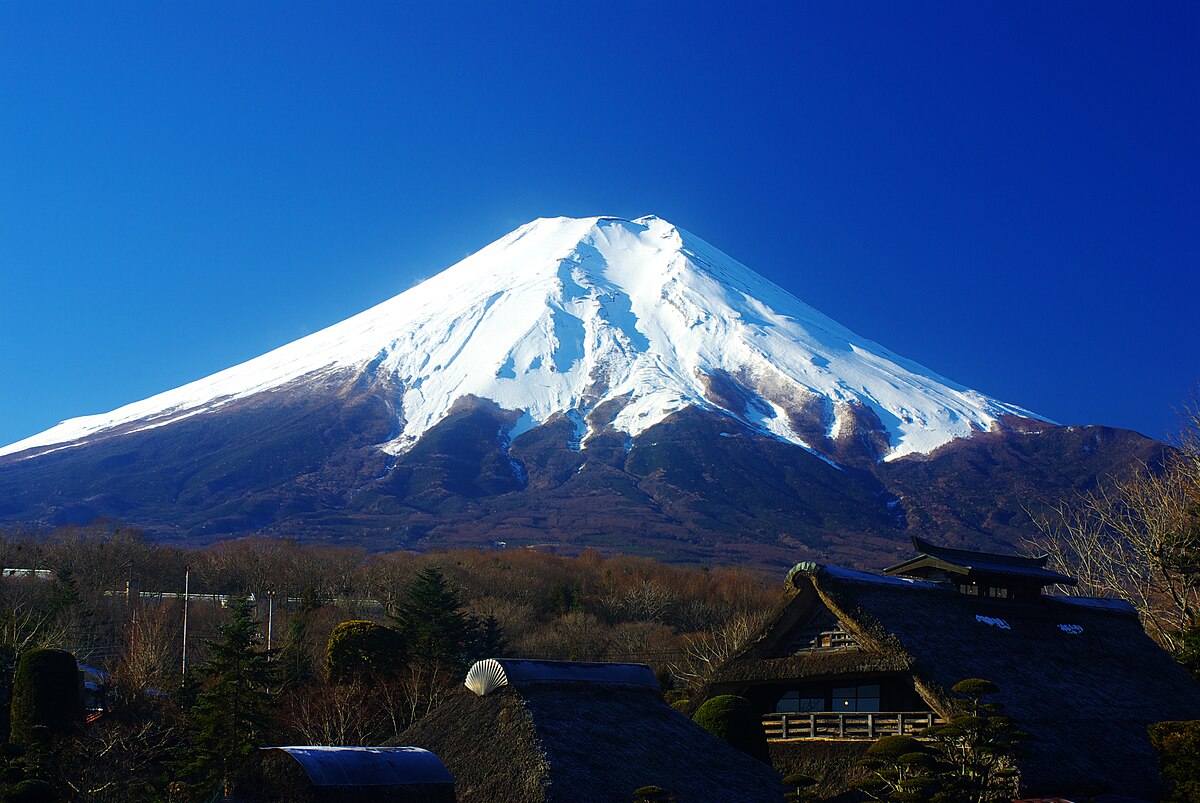
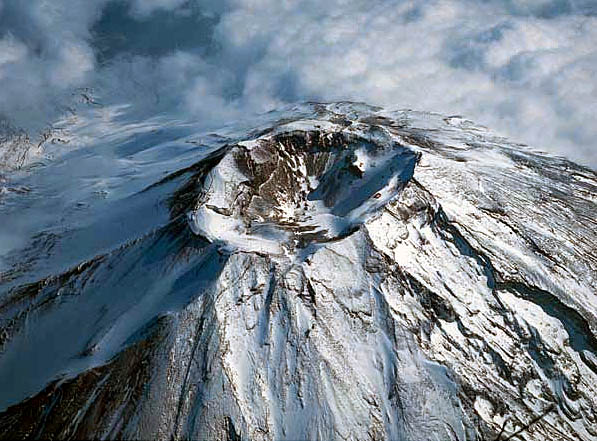
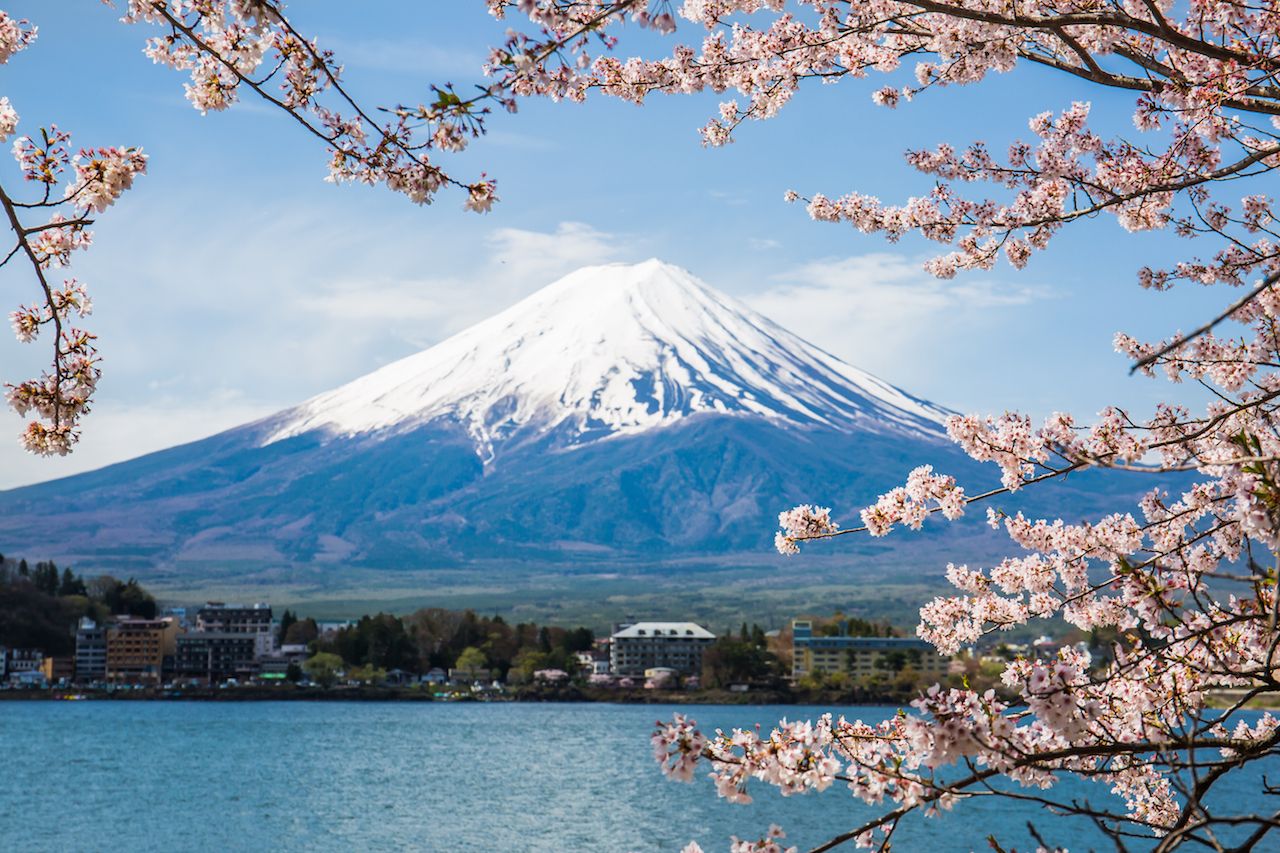
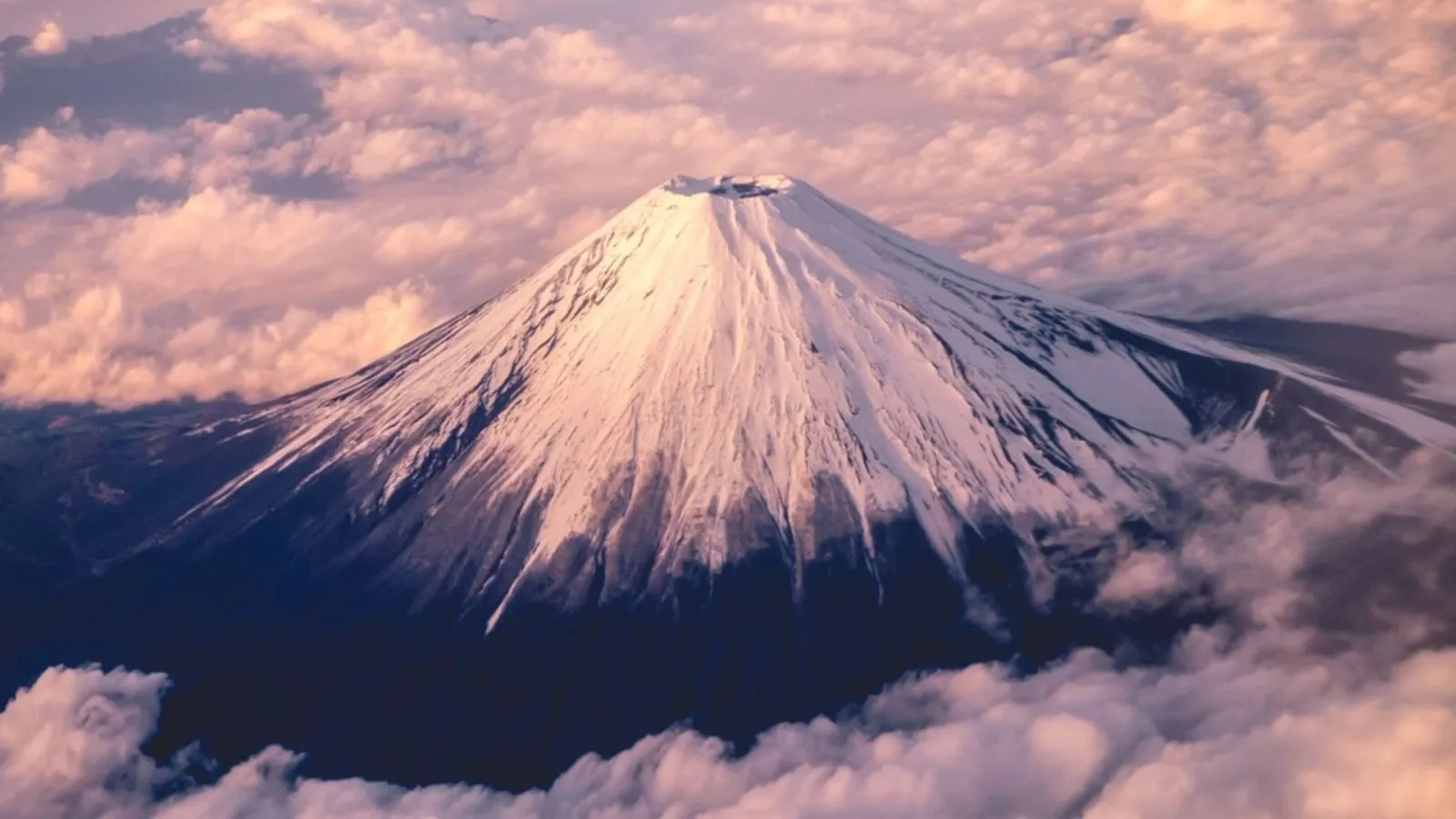
Mount Fuji is the tallest mountain in Japan, rising to 3,776 meters (12,388 feet).
Its most recent eruption took place between 1707 and 1708.
It has been honored for centuries in Shinto and Buddhist traditions, seen as a sacred site.
The mountain is easiest to view in winter, when the air is cold, dry, and clear. Its snow-capped peak stands out beautifully, making winter the best season for reliable views. In contrast, summer's clouds and humidity often hide it from sight.
Mount Fuji is one of Japan's three sacred mountains, along with Hakusan and Tateyama.
The mountain grounds span about 60,000 square meters (15 acres) and contain 13 structures recognized as Important Cultural Assets of Japan. These sites are officially protected for their historical, artistic, and cultural significance.
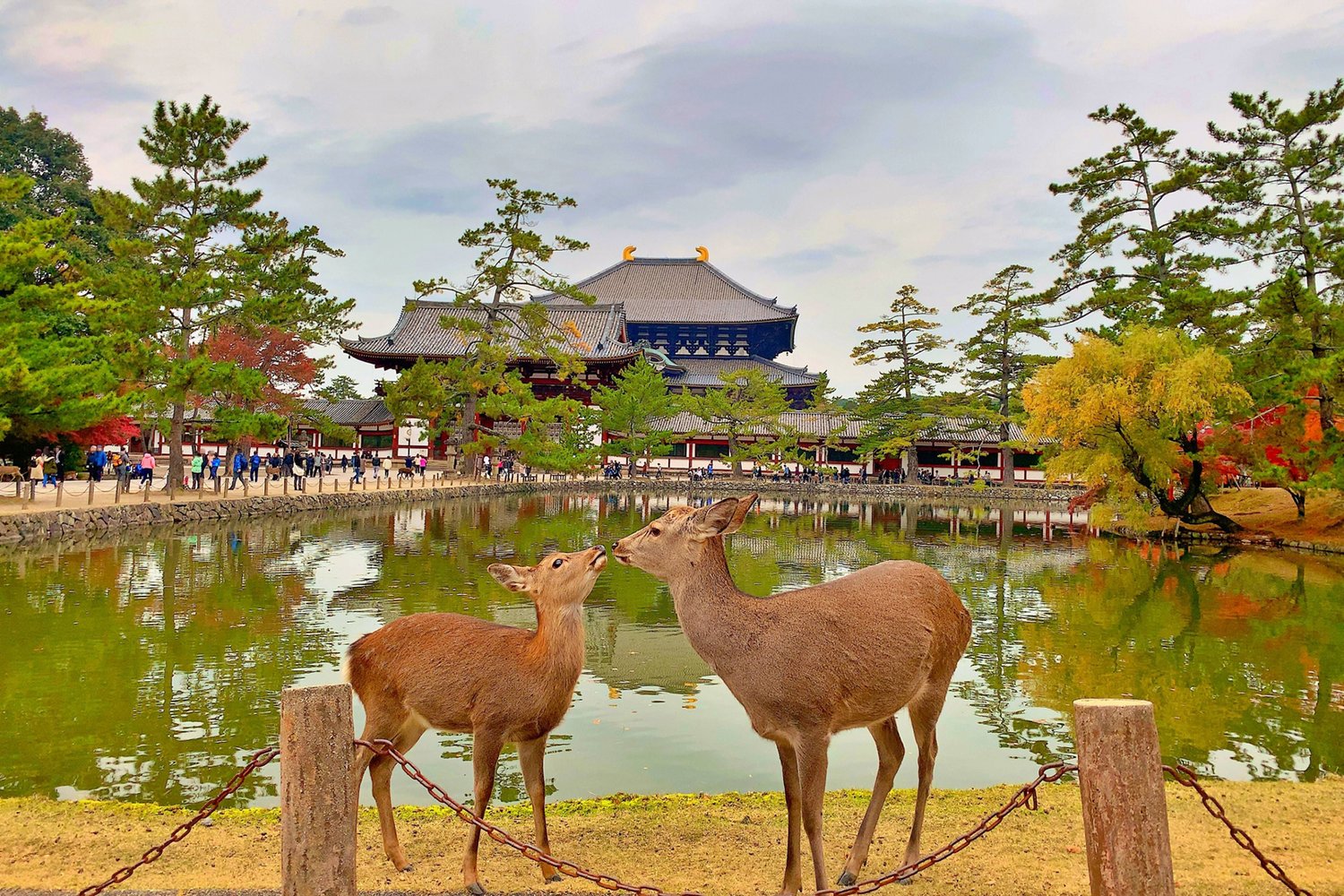
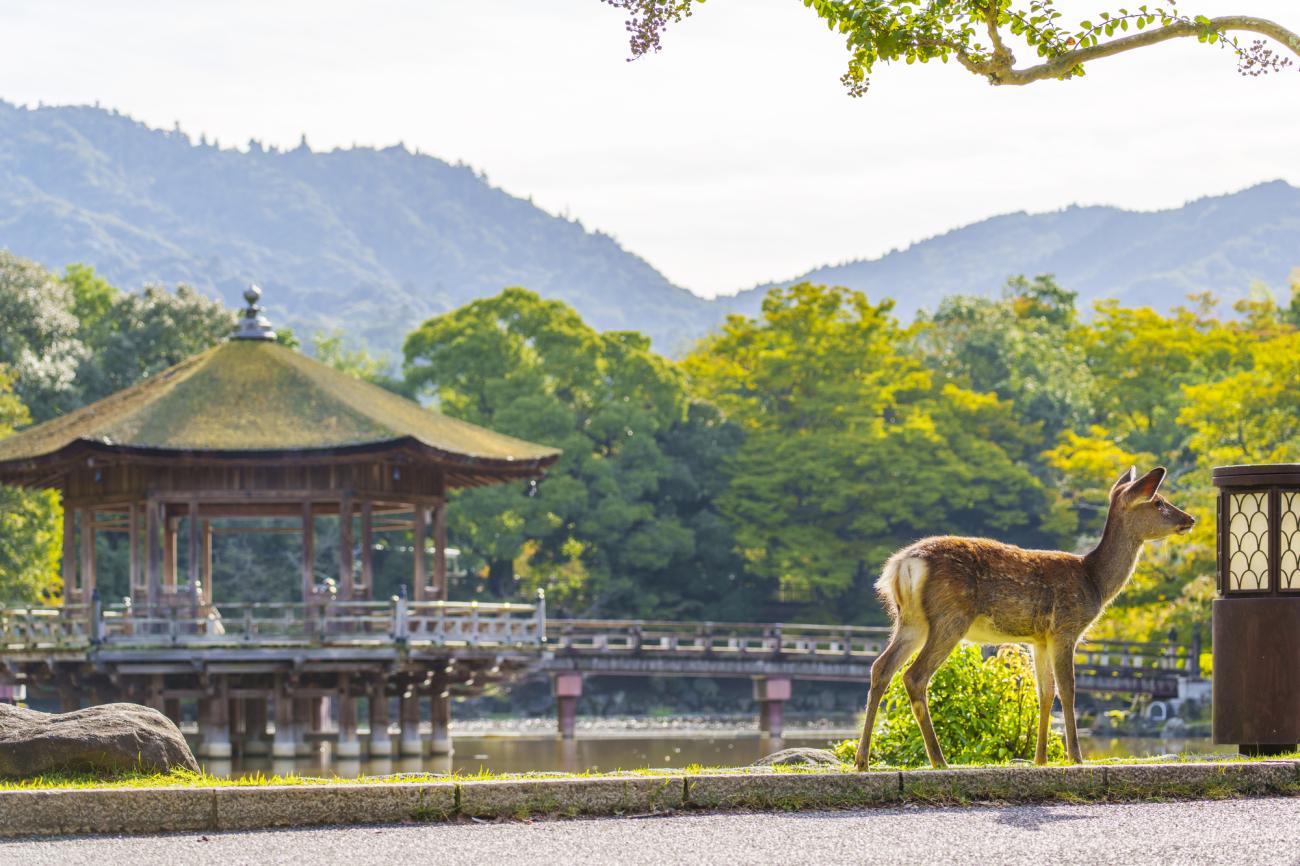
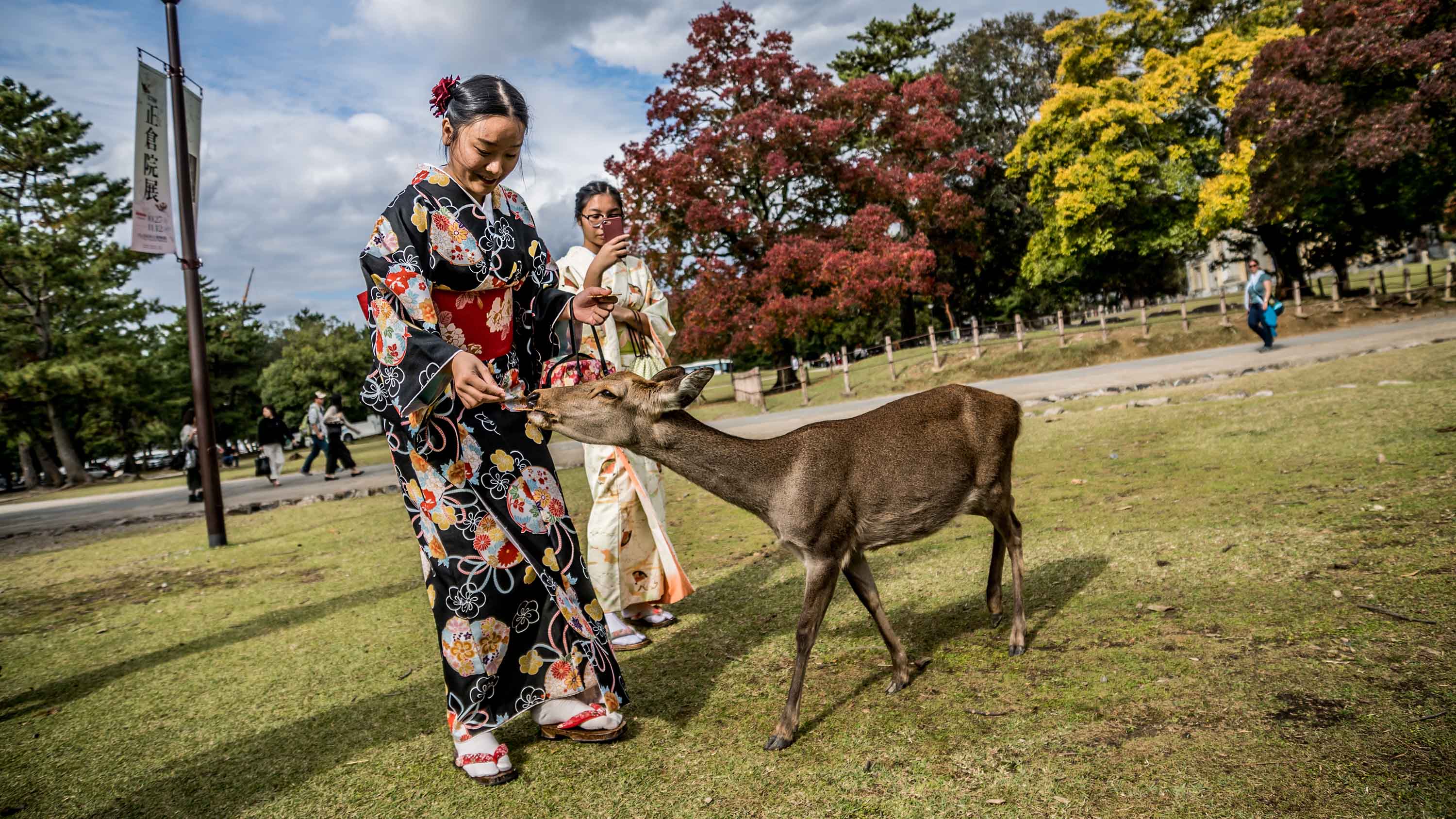
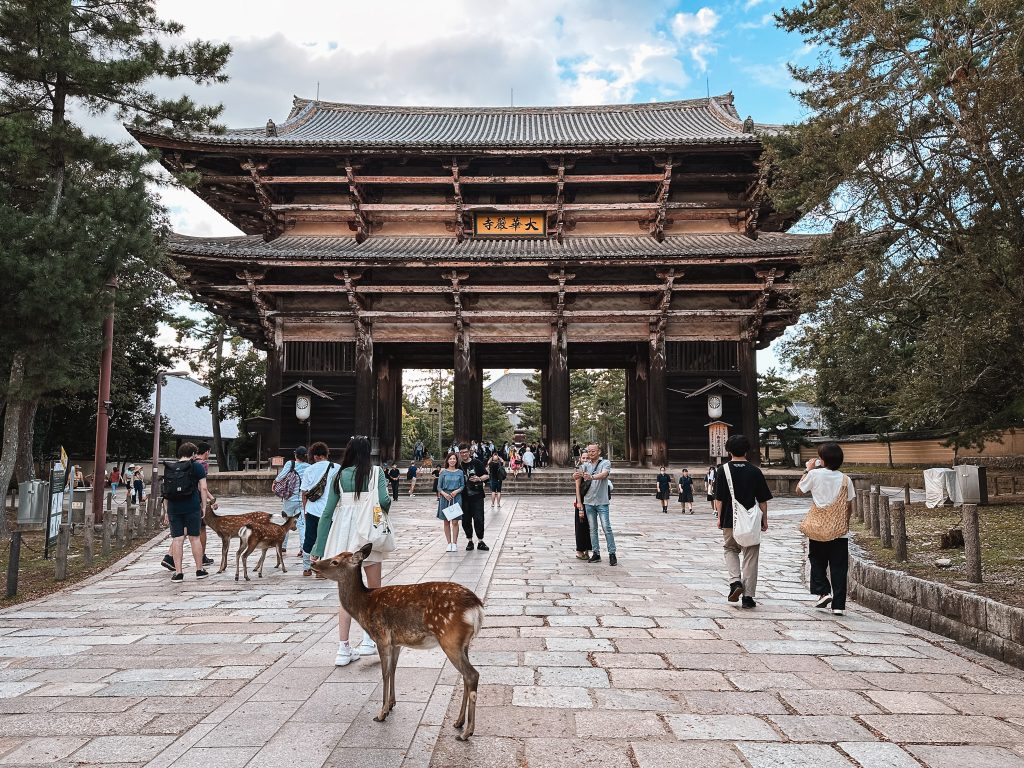
Nara Park, located in Nara City, is well known for its freely roaming deer and historic temples.
When visitors offer the deer special crackers, the animals bow politely before eating them.
Within the park are important cultural sites, including the great Buddhist temple Todai-ji and the Shinto shrine Kasuga Taisha.
Todai-ji, meaning "Great Eastern Temple," is a major Buddhist complex that once served as a central hub for Buddhism in Japan.
Kasuga Taisha is dedicated to the deity who protects the city. Beyond its free offering hall, visitors can enter a paid inner area for a closer look at the shrine's inner buildings.
The shrine is admired for its vivid red vermillion structures and its many hanging bronze and stone lanterns.
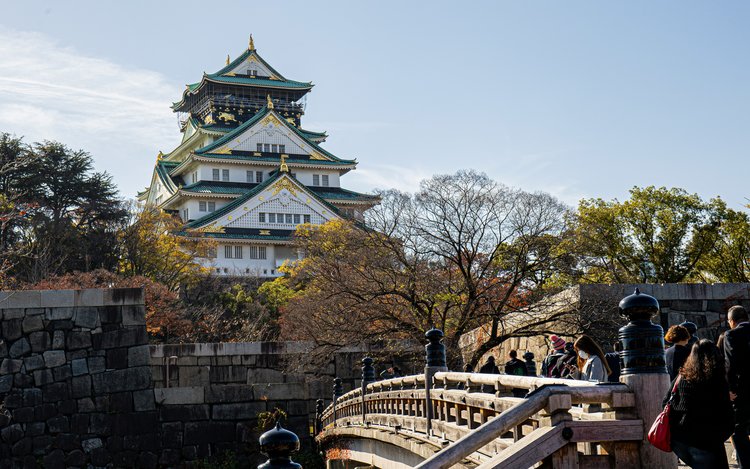
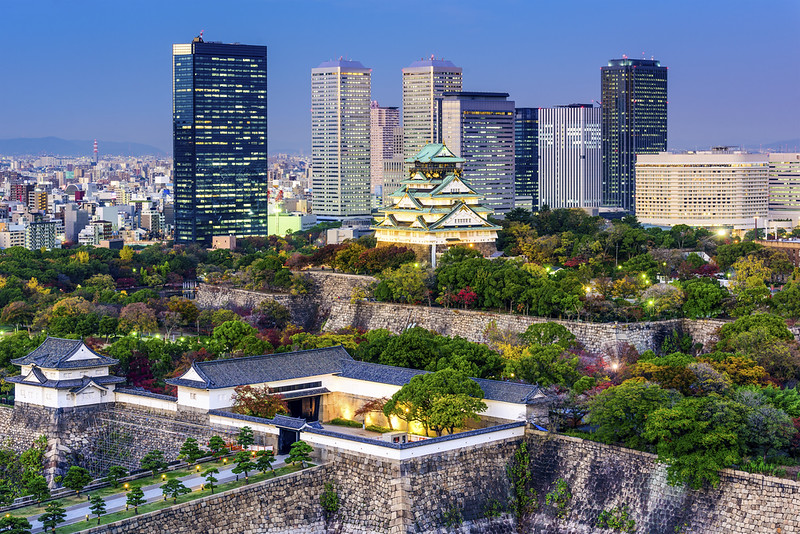
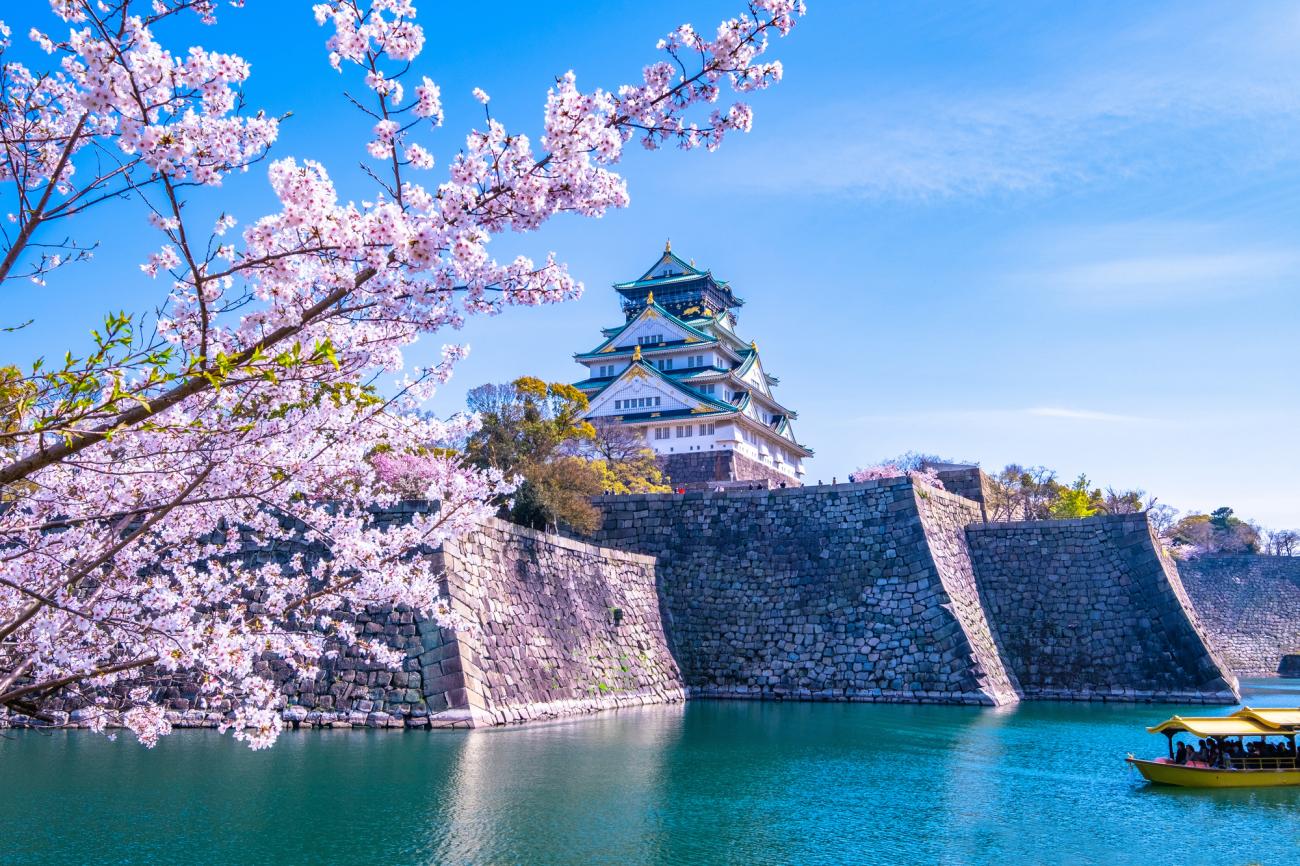
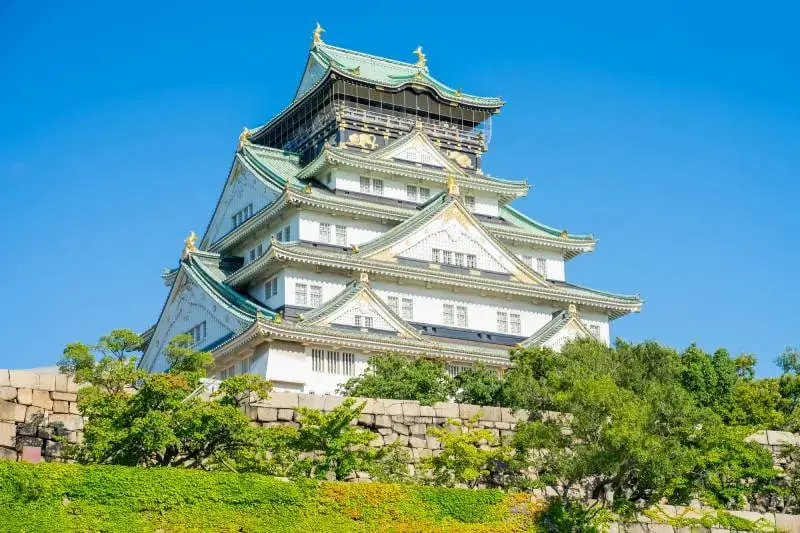
Osaka Castle was originally constructed in 1583 by the warlord Toyotomi Hideyoshi on the grounds of the former Ishiyama Honganji Temple.
During the Azuchi-Momoyama period, it served as both a powerful military fortress and a symbol of authority, playing a key role in Japan's unification.
Over the centuries, the castle was destroyed and rebuilt several times, once after attacks by Tokugawa forces following Hideyoshi's death, and again when lightning struck the main tower in 1665, causing it to burn down.
The castle grounds cover about 60,000 square meters (15 acres).
The inside of the castle has a museum with exhibits on samurai armor, weapons, and artifacts from the Azuchi-Momoyama period.
Rising about 55 meters above the ground, the castle's top floor features an observation deck with views of Osaka and the surrounding grounds.